
Imagine stepping onto a virtual world where the sky isn't just a static painting. Clouds gather on the horizon, the wind picks up, and suddenly, a peaceful journey becomes a desperate fight for survival. This is the power of dynamic weather in modern video games. Far from being mere visual flair, weather systems have evolved into core gameplay mechanics that challenge players, shape strategies, and deepen immersion. From the scorching firestorms of distant planets to the soul-chilling blizzards of a frozen Earth, developers are using meteorological phenomena to create unforgettable, interactive experiences. How exactly does a simple change in the forecast turn a routine task into a thrilling ordeal?
1. No Man's Sky: Planetary Perils and Extreme Conditions
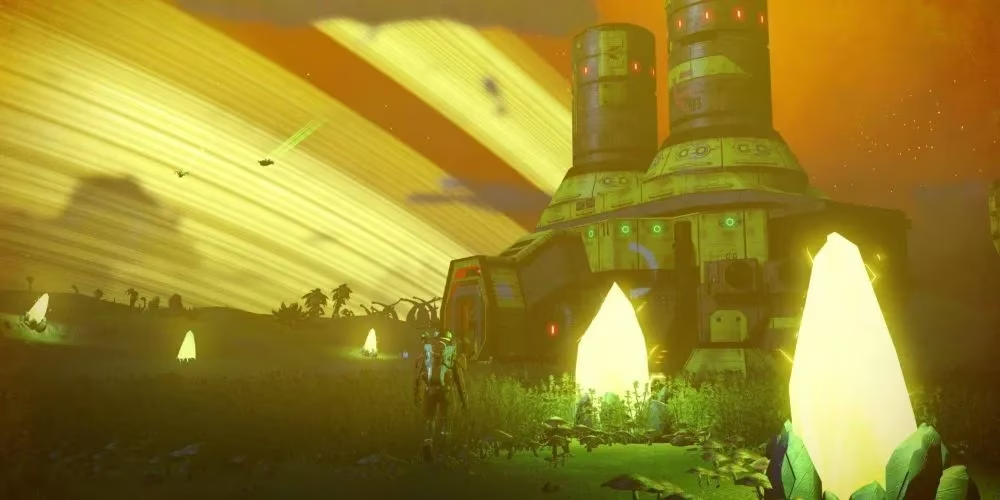
Since its launch, No Man's Sky has transformed into a universe teeming with environmental challenges. Players exploring its vast galaxy encounter planets with wildly varying atmospheres and hazards. The weather isn't just for show; it's a matter of life and death. On extreme planets, players must quickly seek shelter from events like deadly firestorms that can erupt without warning. Have you ever considered that a beautiful, sunny planet could suddenly become a furnace? Furthermore, unique gravitational events and tornadoes linked to wind patterns force explorers to constantly adapt. Survival isn't just about resources; it's about reading the alien skies and respecting the raw power of nature on worlds where the weather itself is a formidable enemy.
2. Sea of Thieves: Mastering the Winds and Waves
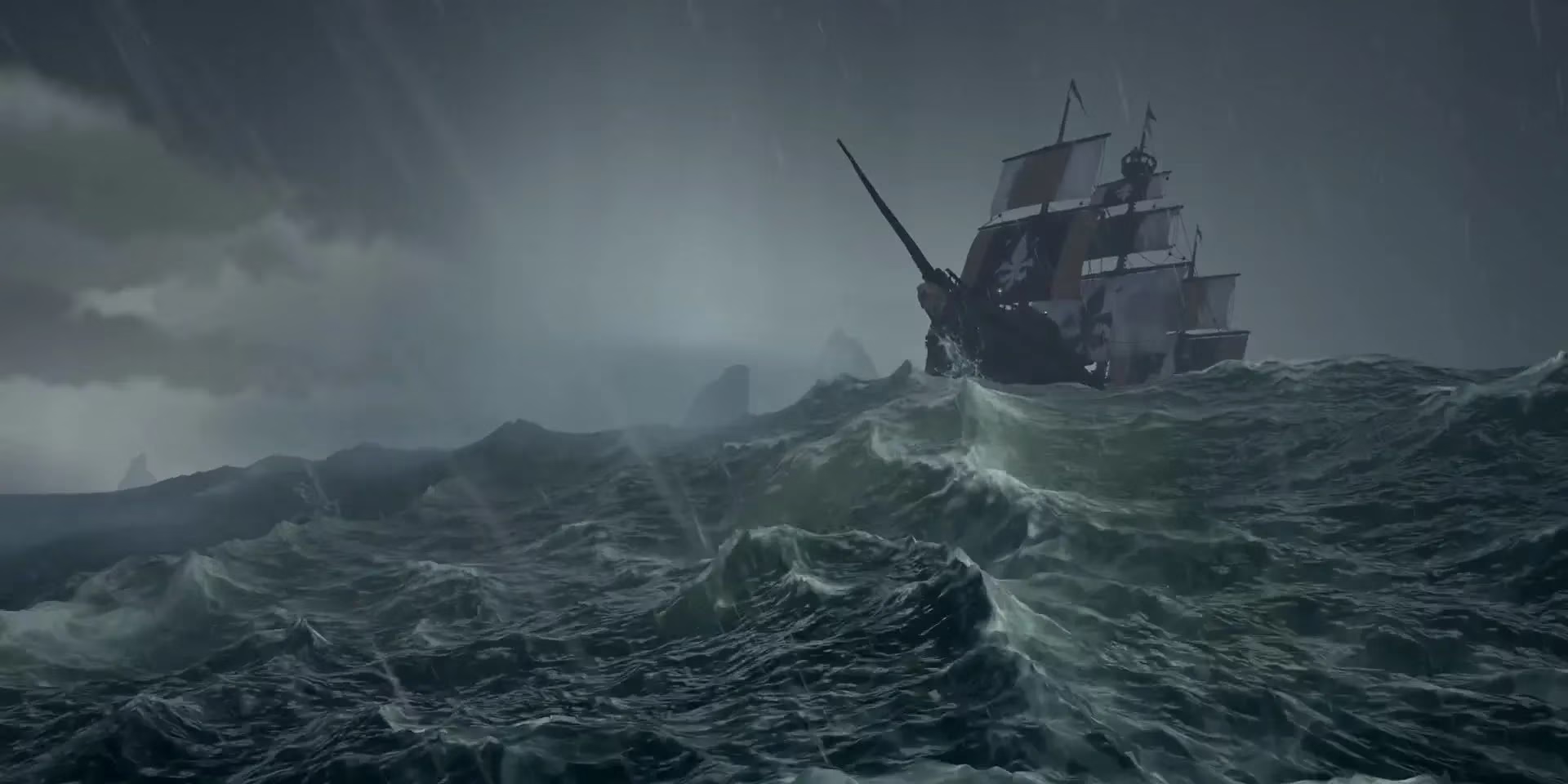
What is a pirate's life without a struggle against the sea itself? In Sea of Thieves, sailing is an art form dictated by the wind. Players must learn to angle their sails and steer their rudder to harness the ever-changing wind direction and speed. But the true test comes with storms. These aren't just pretty rain effects; they are navigational nightmares. Light rain at the edges gives way to violent winds and towering waves at the center. Can your crew keep the ship afloat when waves are literally punching holes in the hull? Overcoming these meteorological hurdles is a rite of passage for every new crew, making every successful voyage a hard-earned victory.
3. Last Train Home: The Brutal Russian Winter
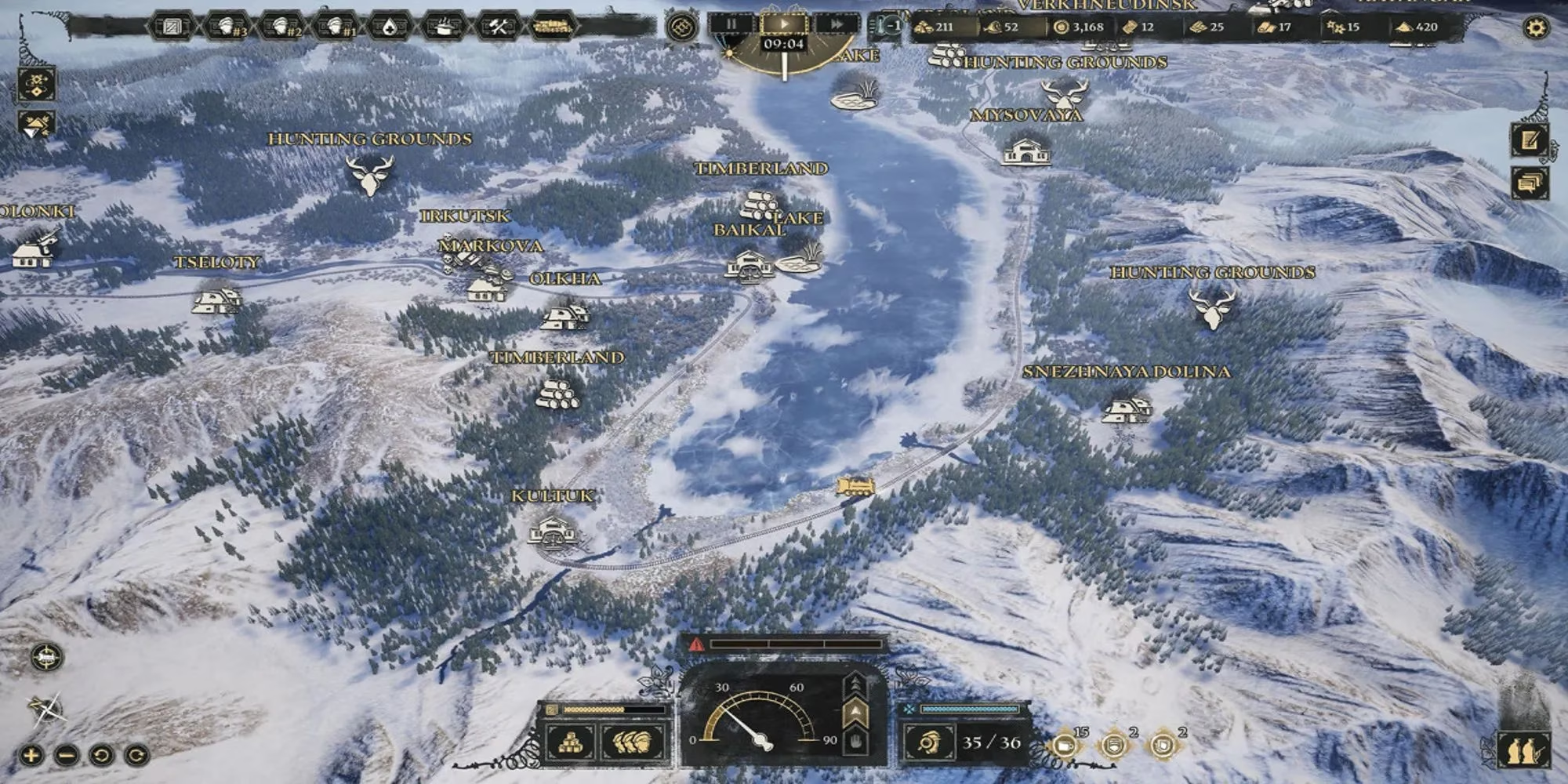
Strategy and survival merge in Last Train Home, where players guide an armored train across 9,000 kilometers of war-torn Siberia. The enemy isn't just on the battlefield; it's the environment itself. As winter temperatures in Siberia plummet, managing resources becomes critical. Soldiers can fall ill from the cold if heaters aren't maintained, and food becomes desperately scarce. Players must juggle coal to power both the train's engine and its life-saving heating systems. Isn't it fascinating how a game can make the management of a basic resource like coal feel so intensely strategic and personal? Surviving the bleak Russian winter is a core, relentless challenge that defines the entire experience.
4. The Legend of Zelda: Tears of the Kingdom

Hyrule's skies are as dynamic as its landscapes. In Tears of the Kingdom, weather directly interferes with Link's freedom of exploration. Remember planning a daring mountain climb, only to have rain make the cliffs slippery and cause a fatal fall? Lightning poses a more active threat, drawn to metal equipment, forcing players to quickly unequip gear during a storm. Meanwhile, snowfall can severely limit visibility, turning a simple trek into a disorienting ordeal. Players must constantly check the forecast and plan their adventures accordingly, proving that in an open world, sometimes the greatest adversary is the sky above.
5. Civilization VI: Gathering Storm
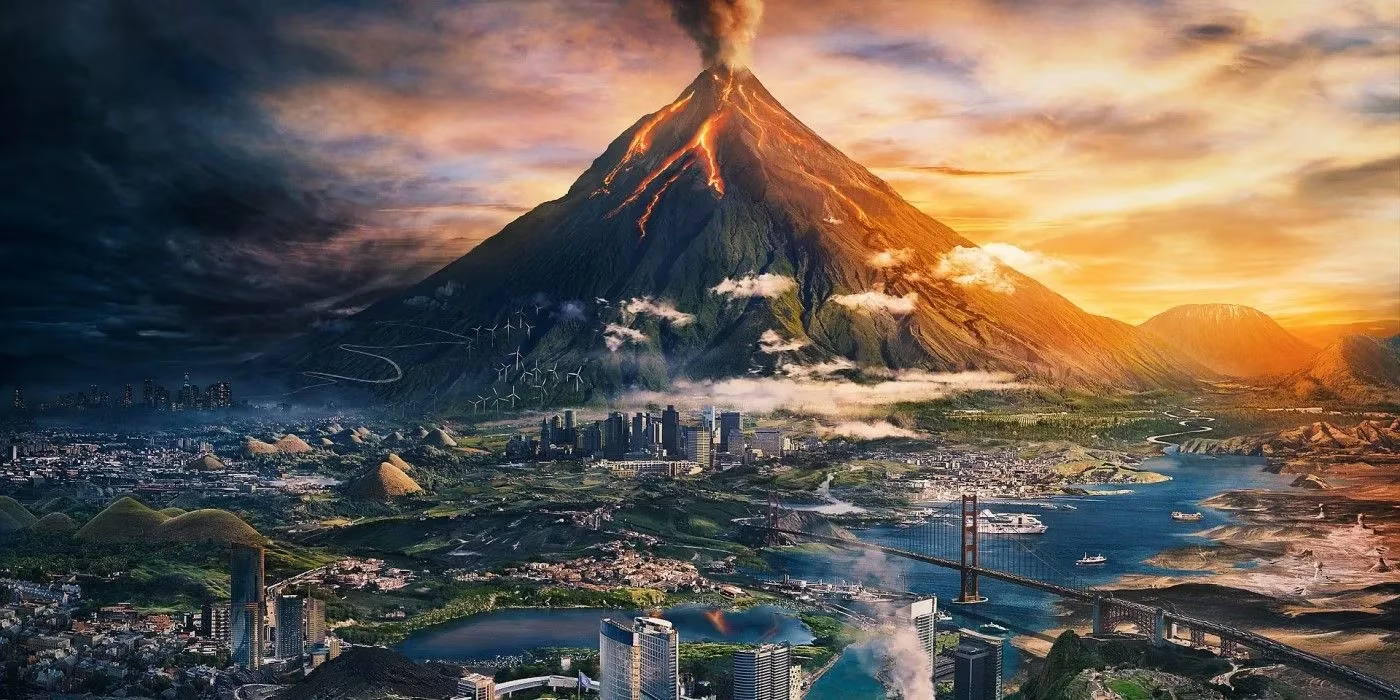
What if your civilization's greatest legacy was its environmental downfall? The Gathering Storm expansion for Civilization VI introduces climate change as a long-term strategic consequence. Starting in the Industrial Revolution, player actions like burning fossil fuels increase carbon emissions, which in turn alter the planet's climate. The results are devastating and tangible:
| Weather Event | Gameplay Consequence |
|---|---|
| Floods | Can permanently destroy valuable land tiles. |
| Storms & Droughts | Decimate a city's fertility and production. |
| Rising Sea Levels | Submerge coastal cities entirely. |
This system adds a profound ethical and strategic layer. Ignoring your environmental impact isn't just bad for the virtual planet; it's a direct path to losing the game. It forces players to ask: is short-term industrial power worth long-term survival?
6. Stardew Valley: The Farmer's Forecast
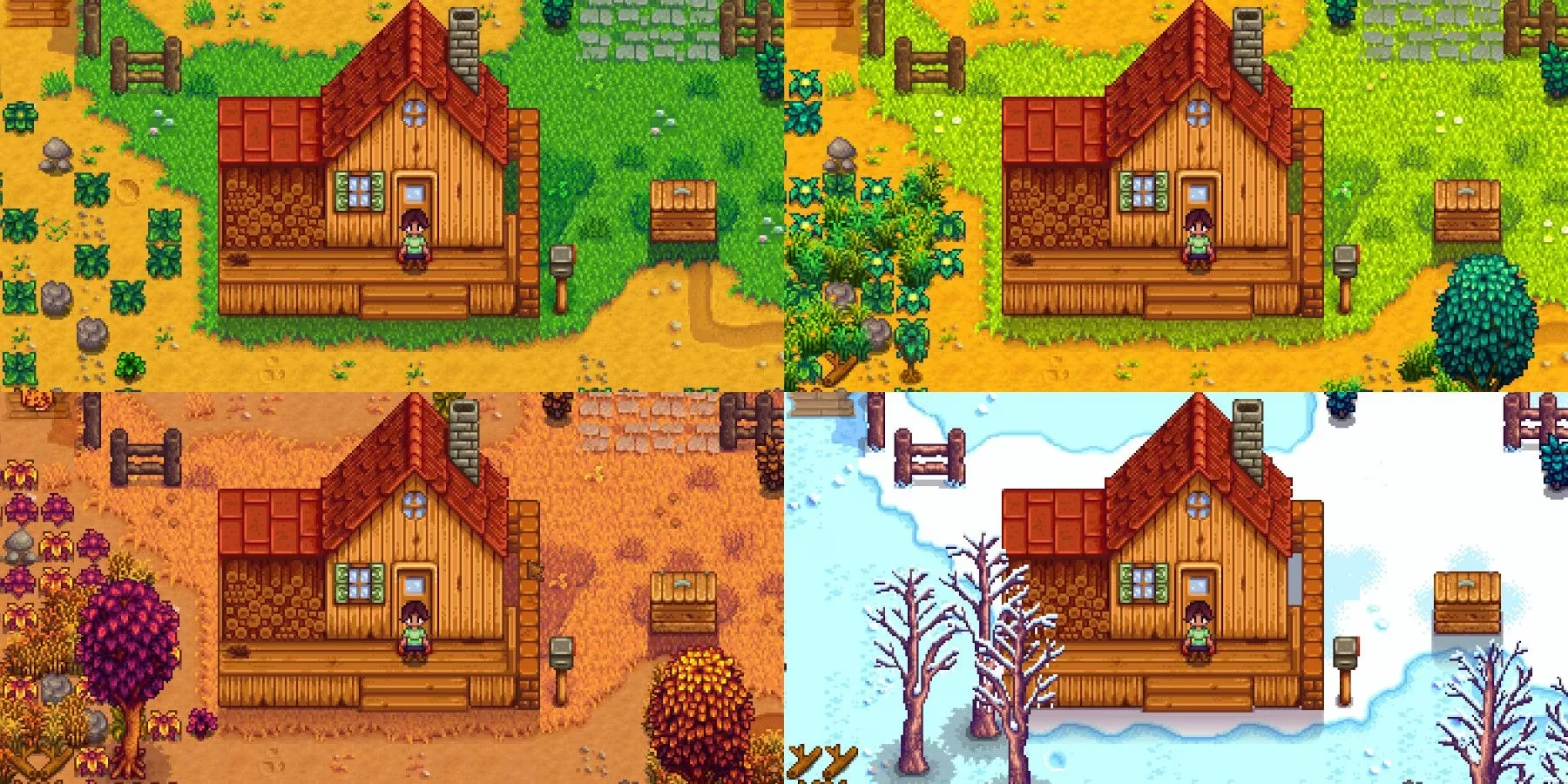
In the peaceful countryside of Stardew Valley, the weather governs daily life. The core farming mechanic is tied to the four seasons, each allowing only specific crops to grow. Winter halts outdoor farming entirely, pushing players toward other activities. Rain is a blessing early on, automatically watering crops and saving precious energy. But summer brings thunderstorms, which carry both risk and reward. Lightning can strike and destroy crops, yet savvy farmers can build lightning rods to harness that energy into valuable batteries. Doesn't this turn a potentially disastrous event into a clever opportunity? Managing the weather is as essential to farm success as managing seeds and soil.
7. Just Cause 4: Chaos from the Skies
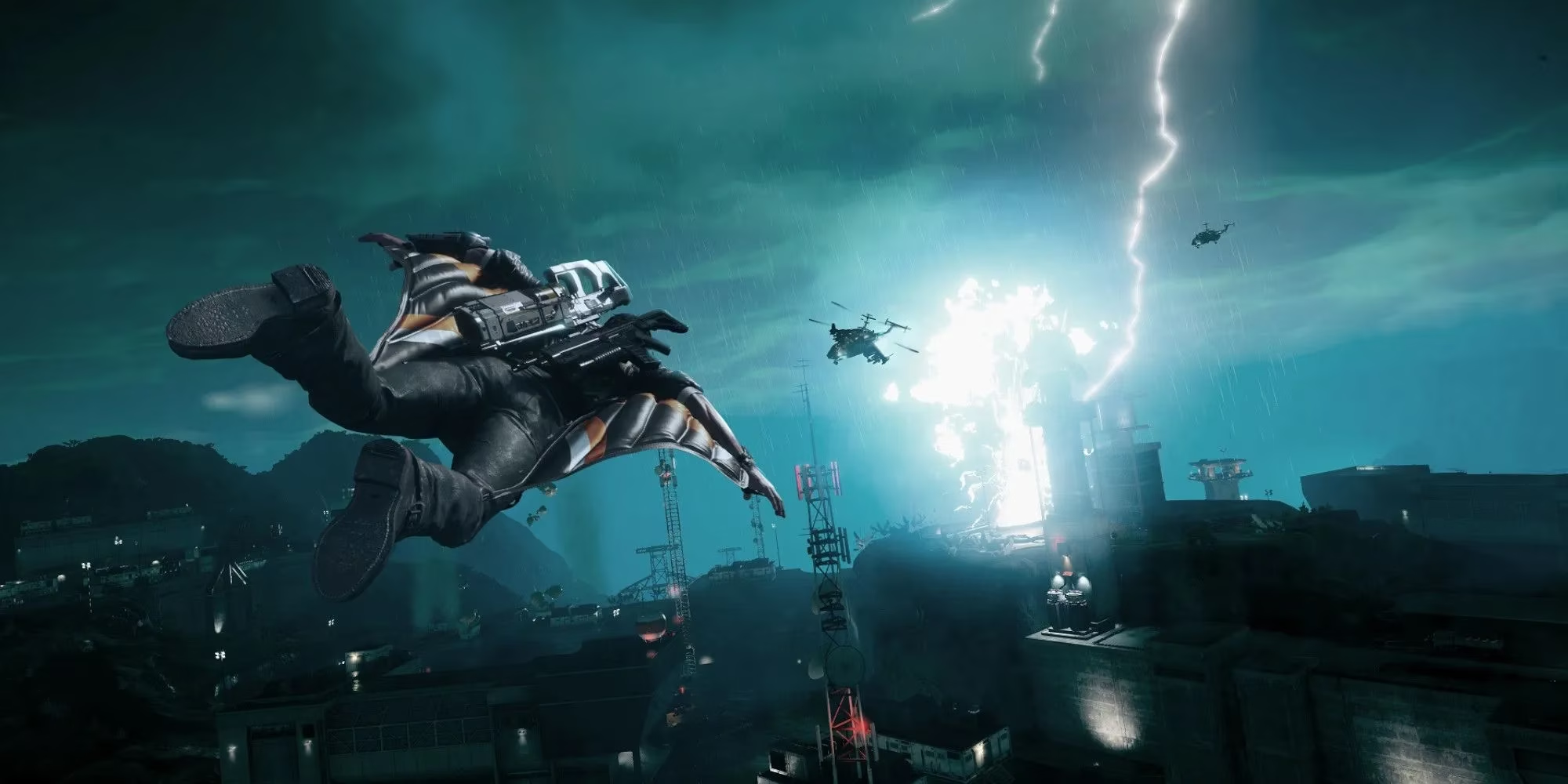
Rico Rodriguez's mission in Just Cause 4 is complicated by Solís's violently unpredictable weather. The game features fully simulated tornadoes that move and behave with terrifying realism. They can pluck Rico, vehicles, and debris right off the ground, hurling them across the landscape. Thunderstorms with deadly lightning also pose a significant threat, especially when Rico is airborne with his wingsuit. In a game about causing chaos, the environment itself becomes the most unpredictable agent of destruction. The sky isn't just a backdrop; it's an active combatant.
8. Death Stranding: The Corrosive Timefall
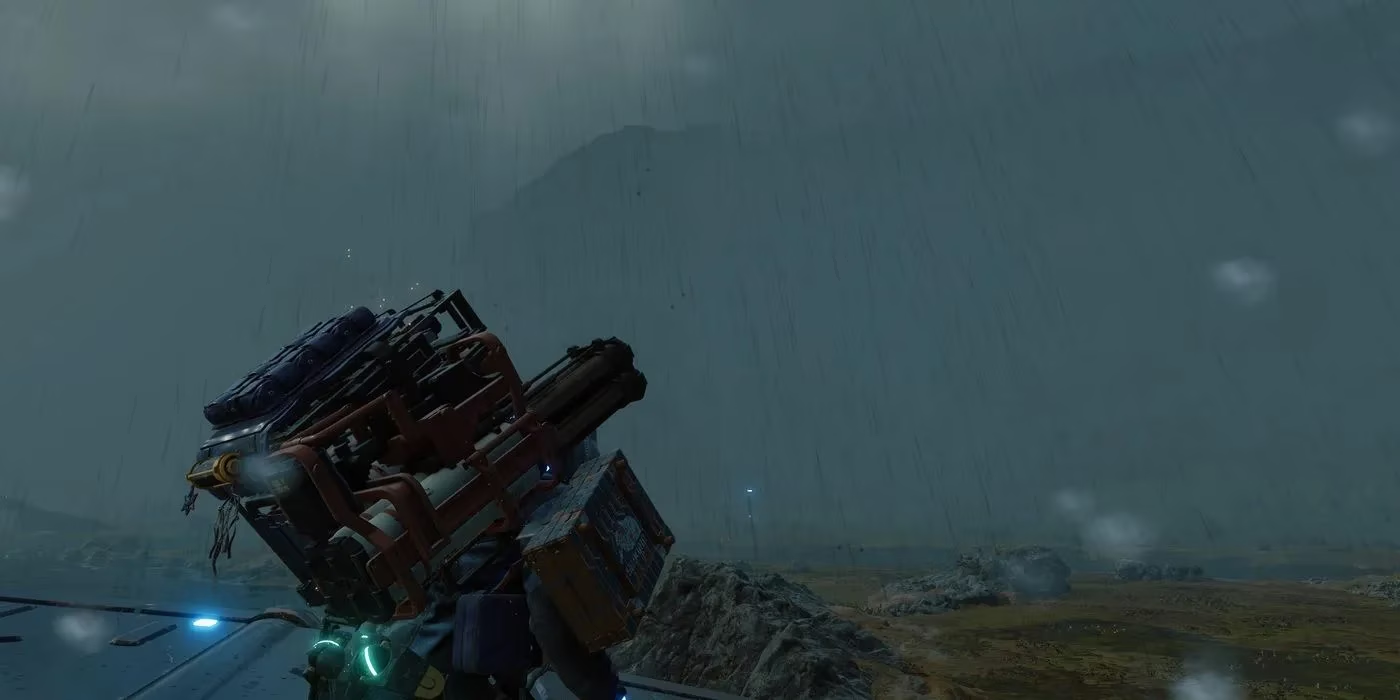
Hideo Kojima's Death Stranding introduces one of gaming's most unique weather phenomena: Timefall. This rain looks ordinary but has a devastating effect, rapidly aging and decaying anything it touches. For courier Sam Bridges, this means navigating landscapes while protecting himself and his precious cargo from accelerated erosion. A brief exposure can ruin supplies, and prolonged contact is fatal. Timefall isn't just an obstacle; it's a constant, oppressive reminder of the world's broken state, turning every delivery into a tense, strategic puzzle against the elements.
9. Mad Max: Fury of the Wasteland
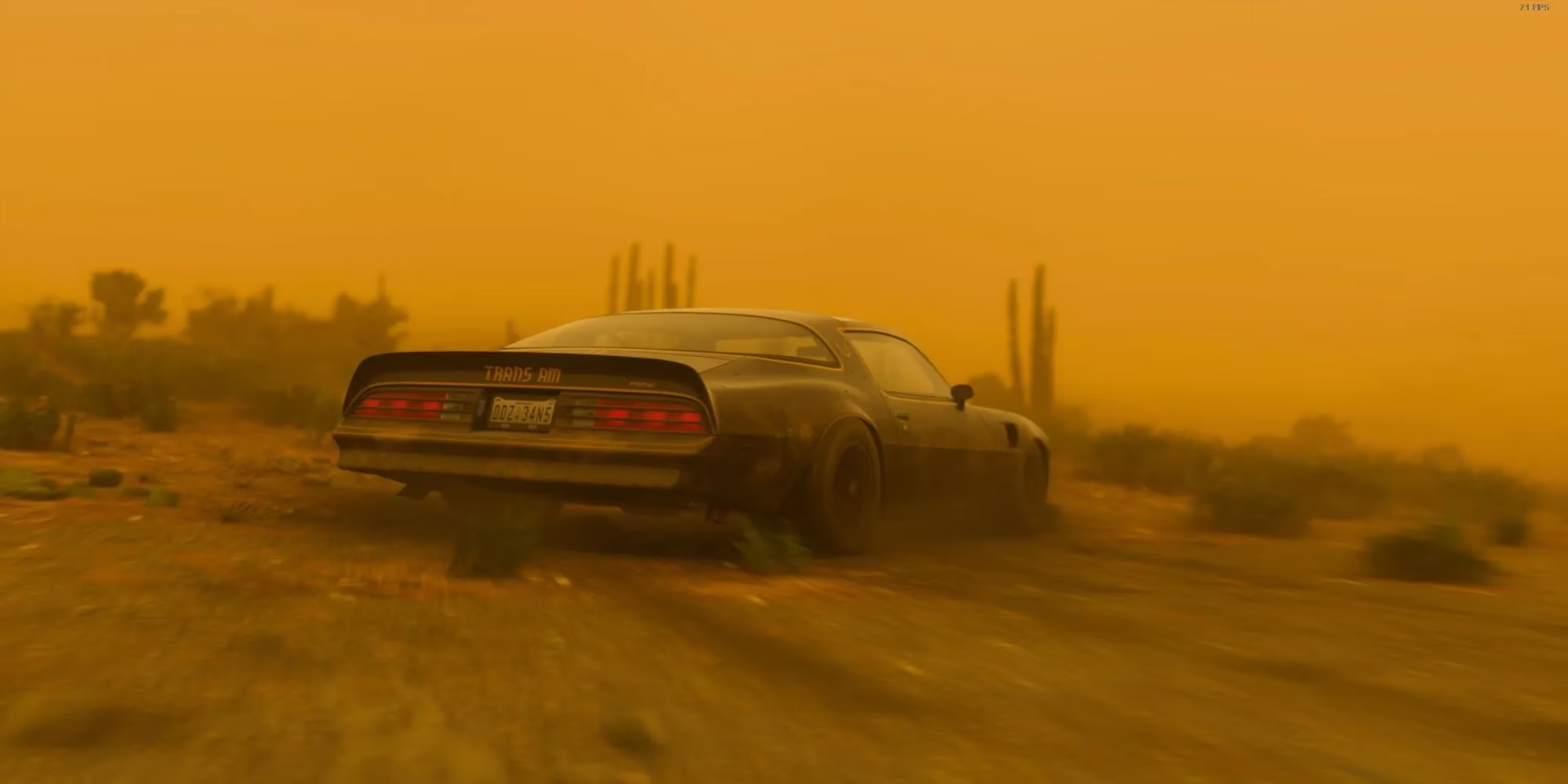
The post-apocalyptic desert of Mad Max is a land of brutal extremes. Iconic epic sandstorms reduce visibility to zero and fill the air with deadly, flying debris. Even more dangerous are lightning storms, which combine limited visibility with the constant risk of a fatal strike. In a world where every drop of water and fuel is precious, these storms are not just atmospheric—they are existential threats that can end a journey in moments. The weather perfectly captures the harsh, unforgiving spirit of the wasteland.
10. Frostpunk: The Final Blizzard
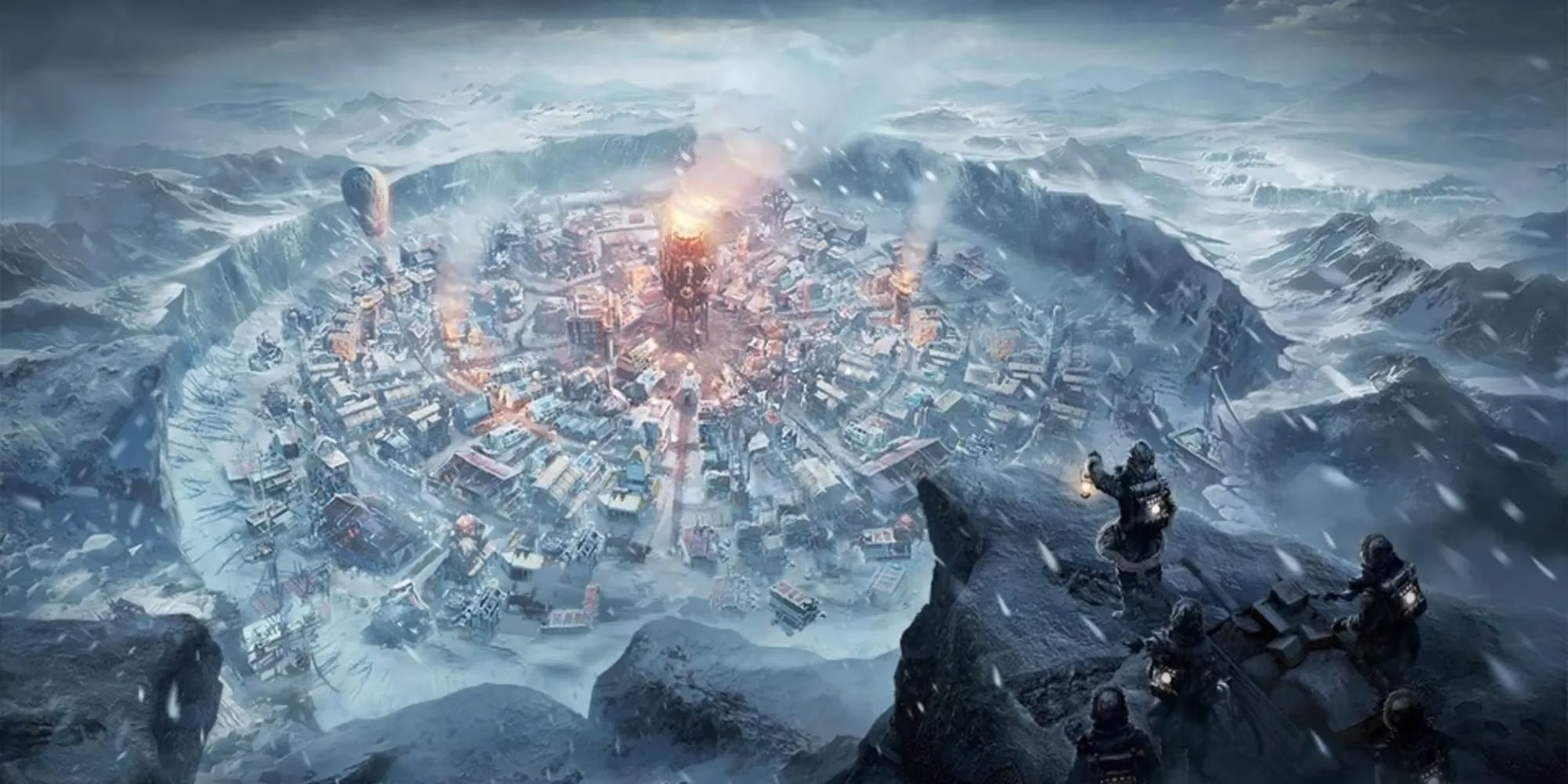
In Frostpunk, weather is the entire game. The planet is freezing, with temperatures plunging to a lethal -150°C. Players manage the last city on Earth, centered around a giant heat generator. Every decision—about housing, jobs, laws, and exploration—is filtered through the need for warmth. The ultimate challenge is The Storm, a cataclysmic blizzard that serves as the game's final act. All your management, planning, and moral choices lead to this moment. Will your city have enough heat, food, and hope to survive? Victory in Frostpunk isn't about conquering an enemy army; it's about achieving a fragile, desperate triumph against the most extreme weather imaginable.
Conclusion: More Than Just Window Dressing 🎮
As these examples show, dynamic weather in 2026 has moved far beyond simple aesthetics. It is a versatile tool that developers use to:
-
Deepen immersion by making worlds feel alive and reactive.
-
Create meaningful gameplay challenges that require adaptation and planning.
-
Tell stories and reinforce themes, from ecological responsibility in Civilization VI to existential dread in Frostpunk.
-
Add strategic depth to exploration, combat, and resource management.
The next time you play a game and see storm clouds gathering, don't just admire the graphics. Ask yourself: How will this change my plan? What new dangers does it bring? What opportunities might it create? In modern gaming, the forecast is always a crucial part of the adventure.
Comments