
In the hallowed halls of Hyrule, where traditions are as ancient as the Master Sword itself, The Legend of Zelda: Tears of the Kingdom did the unthinkable—it broke the sacred rule of the slumbering hero. For decades, gamers have joked that Link's primary skill is napping, given how many of his epic journeys begin with a groggy awakening. From the Kokiri Forest in Ocarina of Time to the Shrine of Resurrection in Breath of the Wild, the formula was as reliable as a Cucco's revenge. But TOTK said, "Hold my Lon Lon Milk," and delivered an opening sequence that was nothing short of a mic-drop moment for the franchise.
The game kicks off not with a yawn and a stretch, but with Link and Zelda venturing into the spooky, gloom-infested depths beneath Hyrule Castle. Talk about a bad day at the office! They stumble upon the sealed, mummified form of the Demon King himself, Ganondorf. In a classic "Oops, I did it again" moment, they accidentally break the seal, unleashing a torrent of Gloom that targets Link's sword arm with the viciousness of a Lynel on a sugar rush. This isn't your average wake-up call; this is Ganondorf delivering a brutal, life-draining smackdown that leaves Link's arm corrupted and the hero himself critically injured, passing out from the sheer force of the attack. It's a jaw-dropping, heart-pounding intro that immediately establishes the stakes: this ain't your grandma's Zelda game.
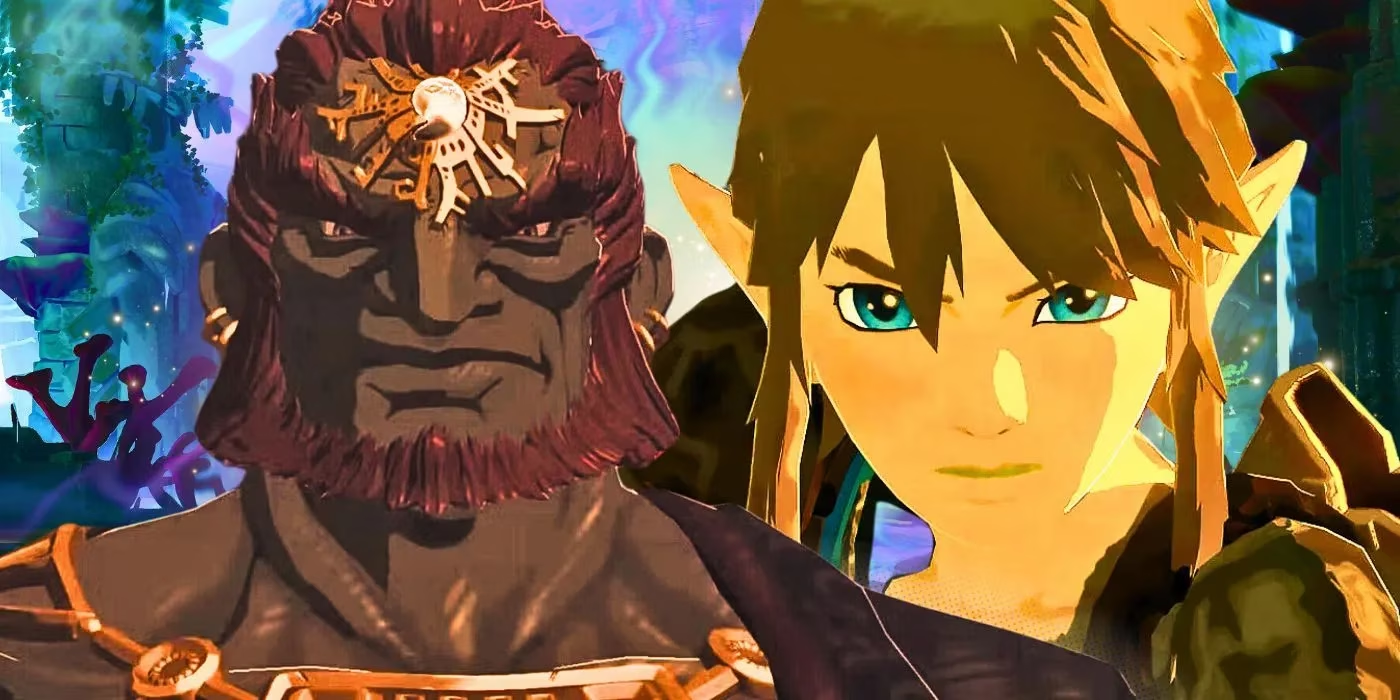
This narrative masterstroke served a dual purpose, killing two Octoroks with one stone. First, it provided a rock-solid, believable excuse for why the legendary hero who had just saved Hyrule was back to square one with a measly three hearts. How do you explain a powerhouse Link losing all his hard-earned strength? Simple: have him take a direct hit from the source of all evil that nearly flat-out kills him. It's storytelling genius, pure and simple. Second, it set the stage for Link's transformation. His ruined arm is replaced by the mysterious, green-tinged Zonai appendage, which becomes the source of his incredible new abilities like Ultrahand and Fuse. No more just waking up with a tunic; Link gets a full biomechanical upgrade!
| Tradition | How Breath of the Wild Used It | How Tears of the Kingdom Twisted It |
|---|---|---|
| Link's Awakening | Wakes up amnesiac in the Shrine of Resurrection. | Passes out from injury, then wakes up healed on Great Sky Island. |
| Power Reset | Explained by 100-year slumber and amnesia. | Explained by a catastrophic injury from Ganondorf's Gloom. |
| New Abilities | Granted by Sheikah Slate runes. | Granted by a magical prosthetic Zonai arm. |
| Quest Start | A voice guides him to the Great Plateau. | The new arm guides him to the Temple of Time. |
Of course, the developers at Nintendo are sneaky like a Sheikah. After subverting the tradition, they cleverly circled back to it. Once Link's mortal wounds are stabilized by Rauru's sacrifice on the Great Sky Island, he does what he does best: he wakes up. 😴➡️⚔️ This moment, when his eyes open to the unfamiliar floating islands, is the true beginning of his adventure. It's a brilliant, meta-commentary on the series itself—acknowledging the trope while completely recontextualizing it. The message was clear: we know what you expect, and we're going to give you something even better.
The fallout from this one broken tradition had ripple effects throughout the entire game experience:
-
Narrative Urgency: The opening created immediate, personal stakes. Zelda is missing, Link is crippled, and Ganondorf is back—no slow burn here!
-
Mechanical Justification: The new Zonai abilities felt organically woven into the plot, not just cool new gadgets. That arm was a part of the story.
-
Emotional Weight: Link's vulnerability was palpable. This wasn't a hero chosen by fate; this was a warrior who had already won, only to be broken and forced to rise again. It's the ultimate underdog story.
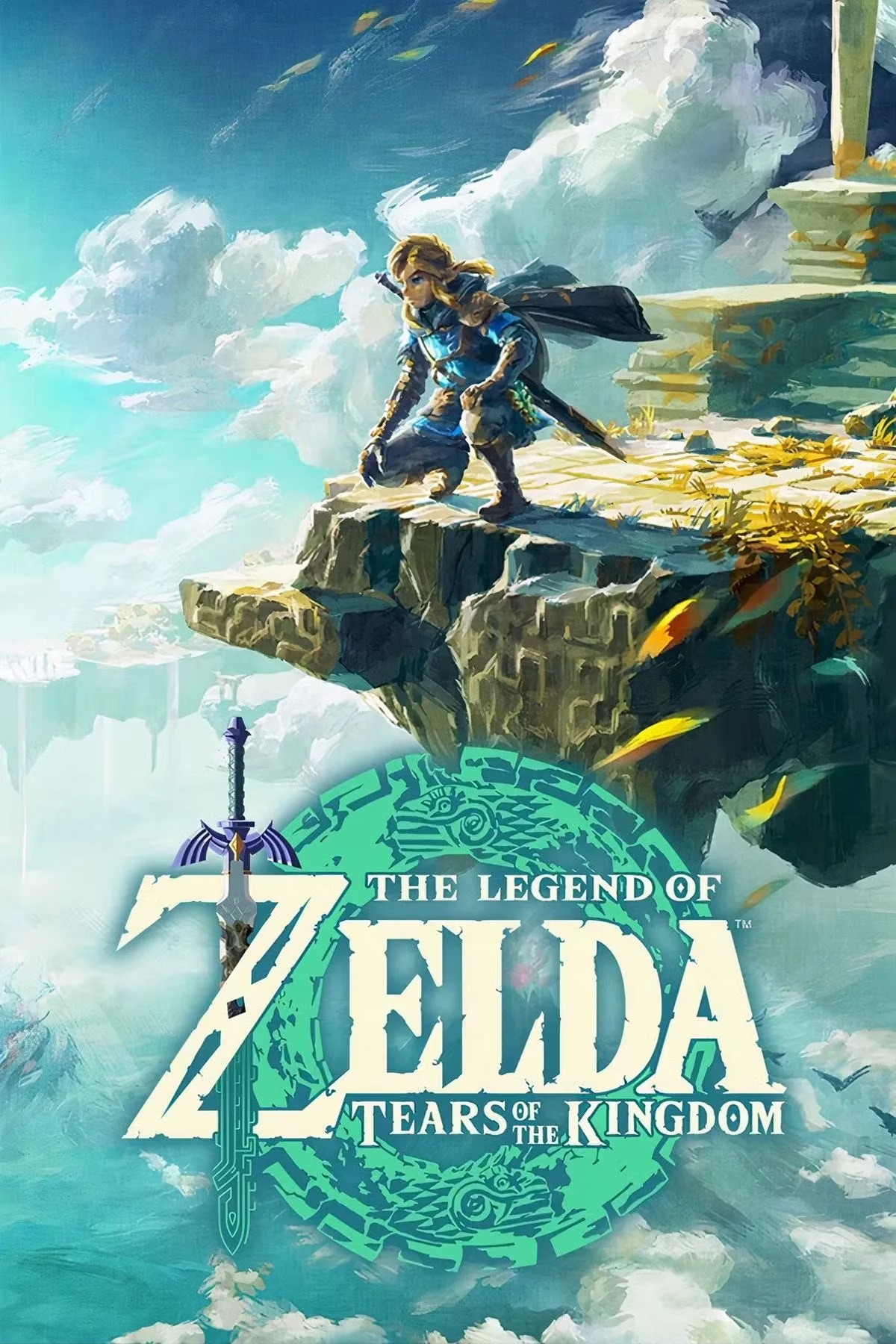
By 2026, looking back at the legacy of Tears of the Kingdom, its bold opening is seen as a watershed moment. It proved that even the most cherished traditions can be reshaped to serve a greater story. The game didn't just break a pattern; it built a better one in its place, showing that innovation doesn't mean abandoning identity. It means evolving it. The sequel took the "open-air" philosophy of its predecessor and applied it to narrative structure itself, giving players freedom from predictable tropes. While there may be no DLC or trilogy-capper on the horizon, TOTK stands as a testament to a franchise fearless enough to reinvent its own legends. The future of Zelda isn't just bright; it's wide awake and ready for anything. After this game, no hero's nap will ever be taken for granted again. The legend continues, but the rules? Those are made to be rewritten.
Comments