
The Legend of Zelda: Tears of the Kingdom gave Link one of the most flexible toolkits in the series, yet it still left players high and dry once Ganondorf was defeated. By 2026, the open-world adventure remains a case study in a familiar endgame problem: the final boss falls, the credits roll, and the world that was supposedly saved is frozen in amber. Players who want to keep helping Hyrule must reload a save from before the last fight, a workaround that has become the elephant in the room for modern open-world Zelda games. It is not a dealbreaker, but it is a bit of a letdown, especially because Tears of the Kingdom is built around the idea that Hyrule needs serious repair.
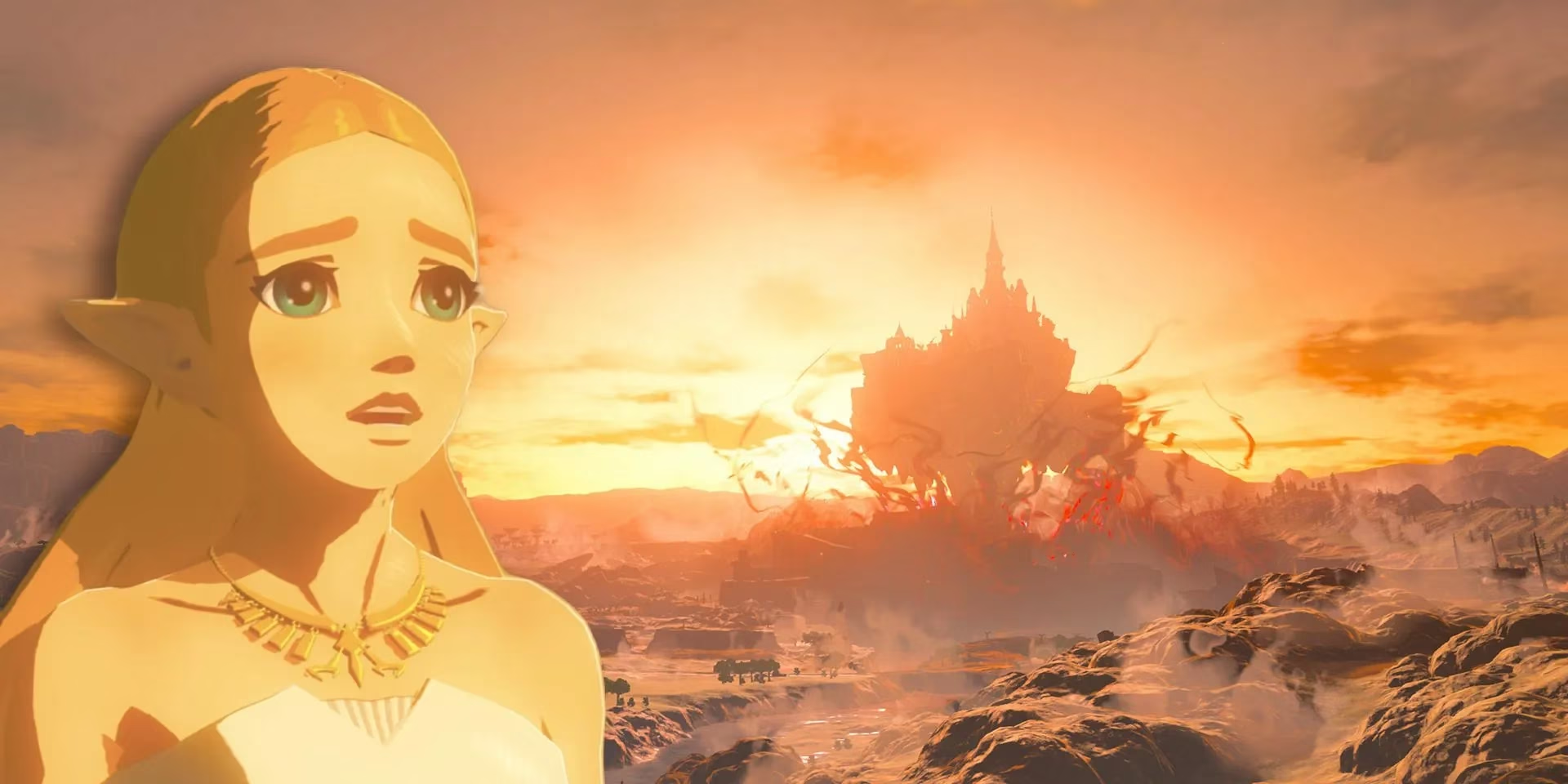
The Upheaval has hurt the land in ways that clearly demand time, labor, and creativity. Between the Surface, the Sky, and the Depths, there is no shortage of places for players to explore, and Link’s abilities are tailor-made for construction, transport, and puzzle solving. Ultrahand alone can lift, rotate, and fuse objects into improvised machines. That same power is already used to help repair Lurelin Village, and players meet Addison and his Hudson Construction signs across Hyrule. The logic writes itself: if Link can rebuild a village and prop up signs, he could help rebuild Castle Town and other damaged settlements after the main quest. Nintendo simply does not capitalize on that setup as much as it could.
A post-game reconstruction effort would not need to be mandatory. It could sit in the same optional space as side quests and collectibles, giving invested players a reason to keep playing while letting satisfied players move on without pressure. That balance matters. Not every player wants to spend another dozen hours gathering materials after beating the final boss, and forcing a rebuild would risk turning closure into chores. But an optional epilogue could keep the world from feeling like a stage set that switches off the moment Ganondorf is beaten. For players who want to see Hyrule heal, it would be the cherry on top.
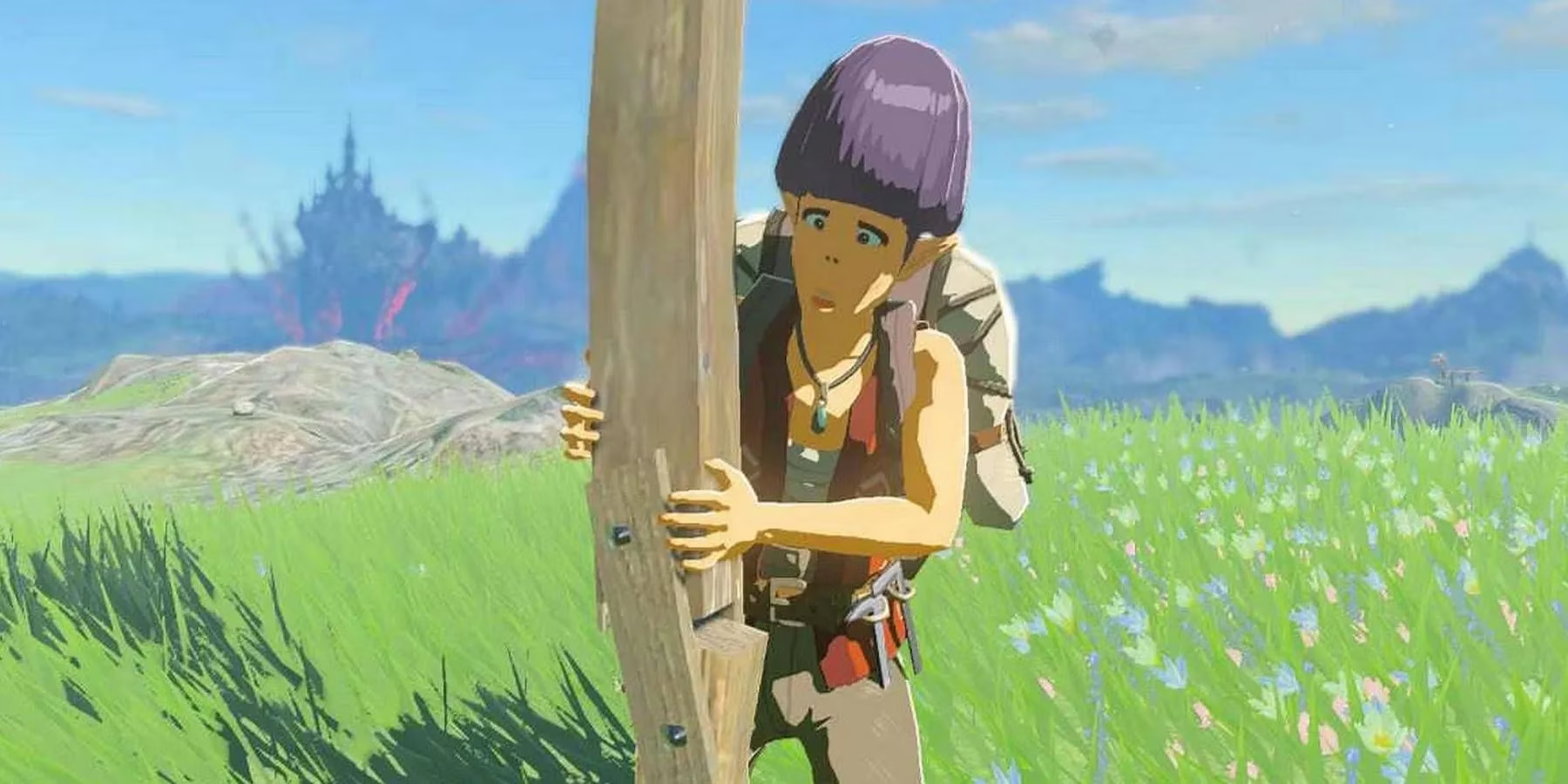
The problem is not unique to Tears of the Kingdom. Breath of the Wild suffered from the same issue, and many open-world games struggle to create a satisfying endgame after the villain is dealt with. Classic-style Zelda titles such as Ocarina of Time and The Wind Waker tended to end with a promise that the land and its people could begin healing, and that was enough closure for their structure. Open-world Zelda raises a different expectation. The map is huge, the damage is visible, and the hero has abilities that make small-scale reconstruction feel like a natural extension of play. Tears of the Kingdom actually has a stronger case for a rebuild epilogue than Breath of the Wild did, because Rauru’s arm gives Link the tools to do the job in creative ways.
| Endgame question | Tears of the Kingdom reality |
|---|---|
| Who is the final threat? | Ganondorf |
| What happens after victory? | Players reload a pre-fight save to keep exploring |
| What rebuild hooks already exist? | Lurelin Village repairs, Hudson signs, damaged settlements |
| What could an epilogue add? | Optional reconstruction quests, Castle Town projects, puzzle-heavy building tasks |
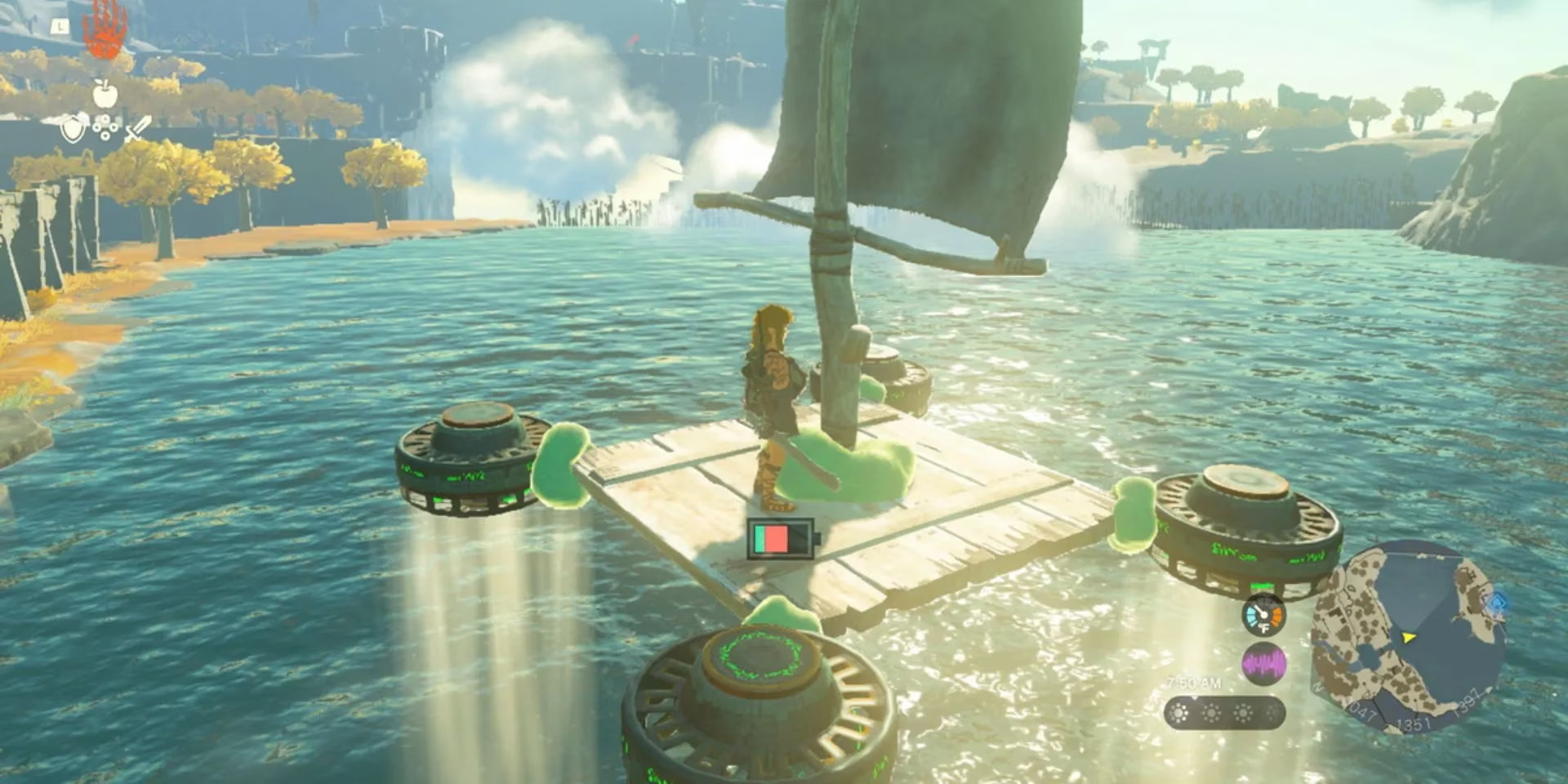
Logistically, the absence of a full rebuild endgame is easy to understand. The physics in Tears of the Kingdom are impressively complex, and that system had to be developed, tested, and debugged across a map with three separate elevations. The Surface alone is larger than the already massive map of Breath of the Wild, and the game still includes dungeons, quests, shrines, and memory cutscenes. Asking Nintendo to add a whole post-game reconstruction layer on top of that would be a tough nut to crack. Players generally prefer that developers polish the main experience rather than stretch themselves thin on optional content, and Tears of the Kingdom runs smoothly despite its ambitious systems.
That does not make the what-if any less interesting. A rebuilding-focused expansion could be a pleasant change of pace, especially for players who want puzzle-heavy challenges that do not revolve around combat. It could turn Castle Town into a long-term project, send Link across Hyrule for rare materials, and let players see the world recover from the Upheaval in visible stages. Whether Nintendo would ever green-light such a project is a separate question, and by 2026 it remains a popular fan idea rather than a confirmed part of the game’s structure. A paid expansion would also be a harder sell for players who already paid full price, so the idea cuts both ways.
Still, the criticism hits the nail on the head. Tears of the Kingdom is a captivating experience with impressive features, but it inherits the same endgame weakness as Breath of the Wild and makes it feel worse because Link is so clearly equipped to help. The game ends with Ganondorf defeated and Hyrule saved in principle, but not in practice. For a world built around reconstruction, that is a missed opportunity. Players can rebuild machines, bridges, and villages during the story, but they cannot rebuild the kingdom after the story. Until that changes, Hyrule’s recovery remains off-screen, and Link’s greatest building projects are the ones Nintendo never asked him to finish. 🏗️🎮
Comments