
Every hero's journey begins with a single step, and for decades the lands of The Legend of Zelda have invited players to take thousands more. These are not just maps stitched together from pixels or polygons—they're living, breathing companions that whisper secrets, sulk in twilight, and sometimes even drown their sorrows beneath an endless sea. Fast-forward to 2026, and the footprints left by these celebrated overworlds are still as vivid as the day they first appeared, proving that a map can be as memorable as the adventure it holds.
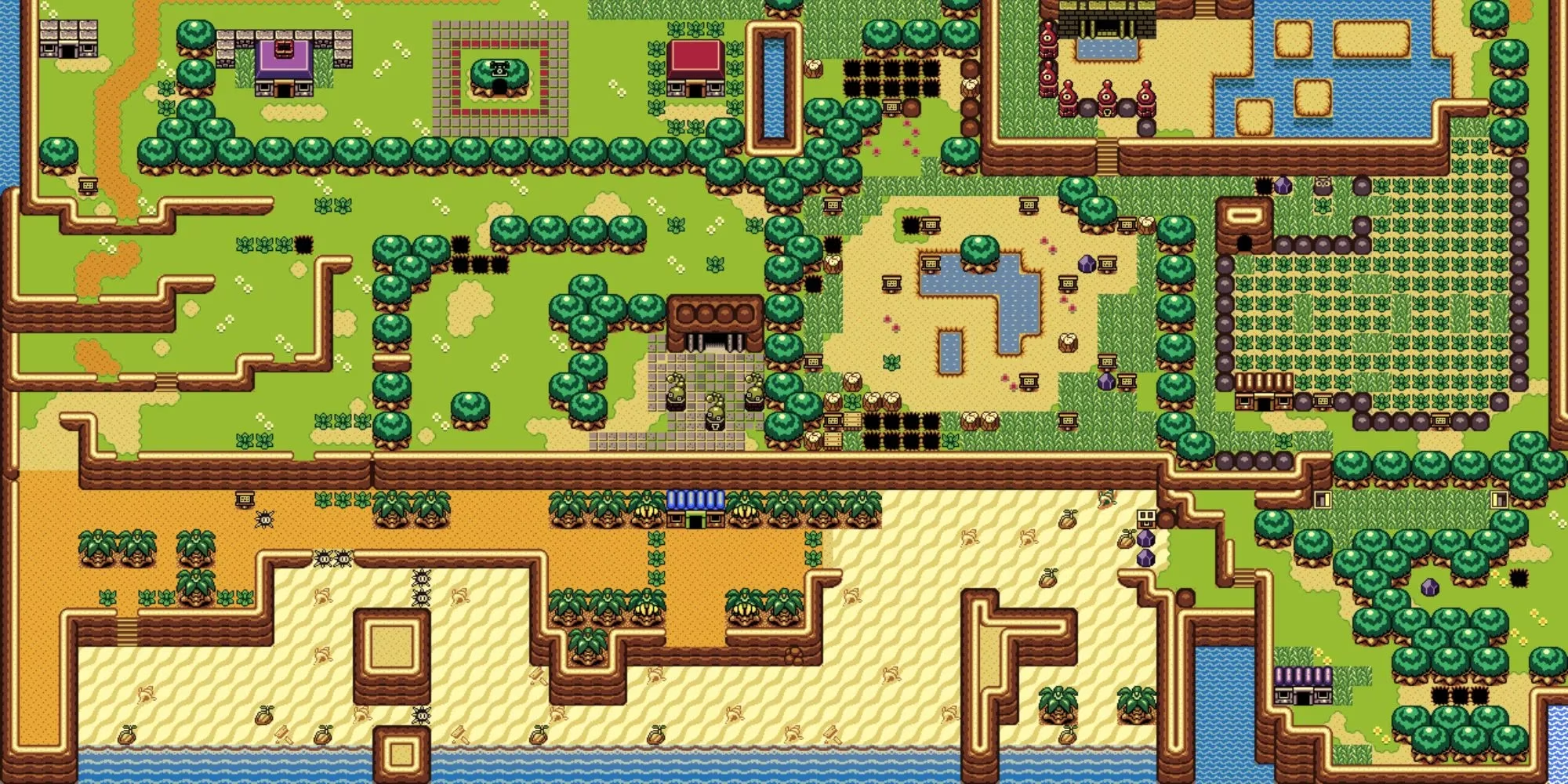
Few places in the Zelda canon feel quite like a warm afternoon nap, but Koholint Island is exactly that. Originally a GameBoy gem and later reborn in a gorgeous Switch remake, this little chunk of dreamscape refuses to be just a backdrop. It talks to Link through the wind, through the peculiar residents, even through the sand itself. The island knows it shouldn't exist, and yet, it smiles anyway. Sure, there isn't an intimidating sprawl to get lost in, but every grove, every cliff, and every chattering animal feels hand-placed by a sleepy deity. Exploring Koholint is like walking through a watercolor painting that hums a lullaby—and by the time the truth of its existence sinks in, a player's heart has already built a home there.
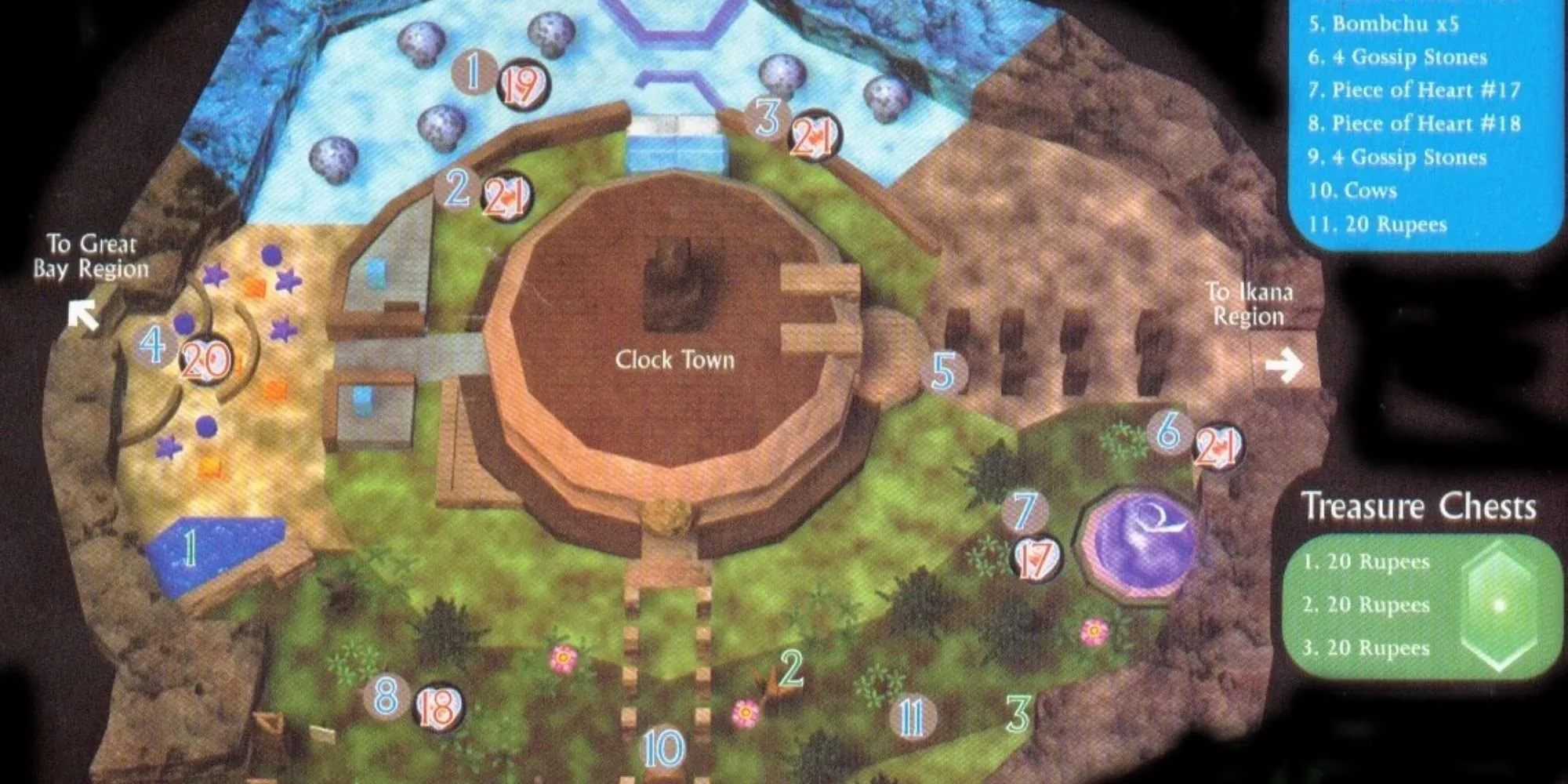
Then there is Termina, a world that wears a permanent frown. Not part of Hyrule, this doomed land is a pressure cooker under a falling moon, and Skull Kid's mischief has forced the clock into a relentless three-day loop. Clock Town buzzes with denial, the mountainsides reek of poison, and the sea churns with forgotten sorrow. Yet, Termina has a peculiar charm—it trusts the player to become an expert in its rhythms. By the tenth loop, you know exactly when Anju will start pacing in the kitchen, when the postman will make his final desperate sprint. It's a map that teaches time management through emotional scars, and honestly? It works like a charm. A player leaves Termina not just with masks, but with a intimate diary of a world that never got its happy ending outside of a hero's meddling.
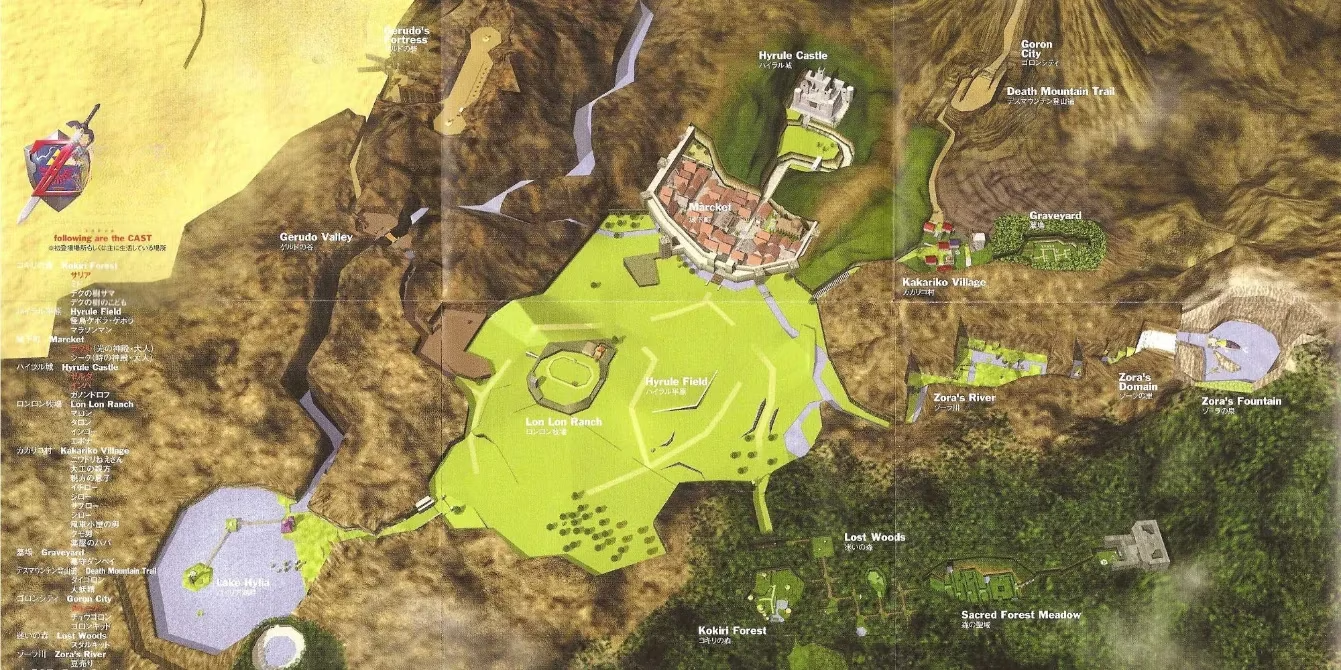
No discussion of iconic overworlds is complete without Ocarina of Time's Hyrule. The land might look a bit plain by today's standards, but in its era, that sun-drenched field stretching from the Lost Woods to Gerudo Valley was an invitation to believe in legends. Death Mountain's ring of smoke was a permanent promise of adventure, and Lake Hylia's serene surface hid more than a few mysteries. Traveling by horseback made every journey feel like a pilgrimage, and the lack of fast travel gave the world weight. The map didn't need to be flashy—it just needed to feel real. And decades later, when someone hums the Hyrule Field theme, they aren't just recalling a melody; they're remembering the smell of virtual grass and the thrill of a night storm rolling in.
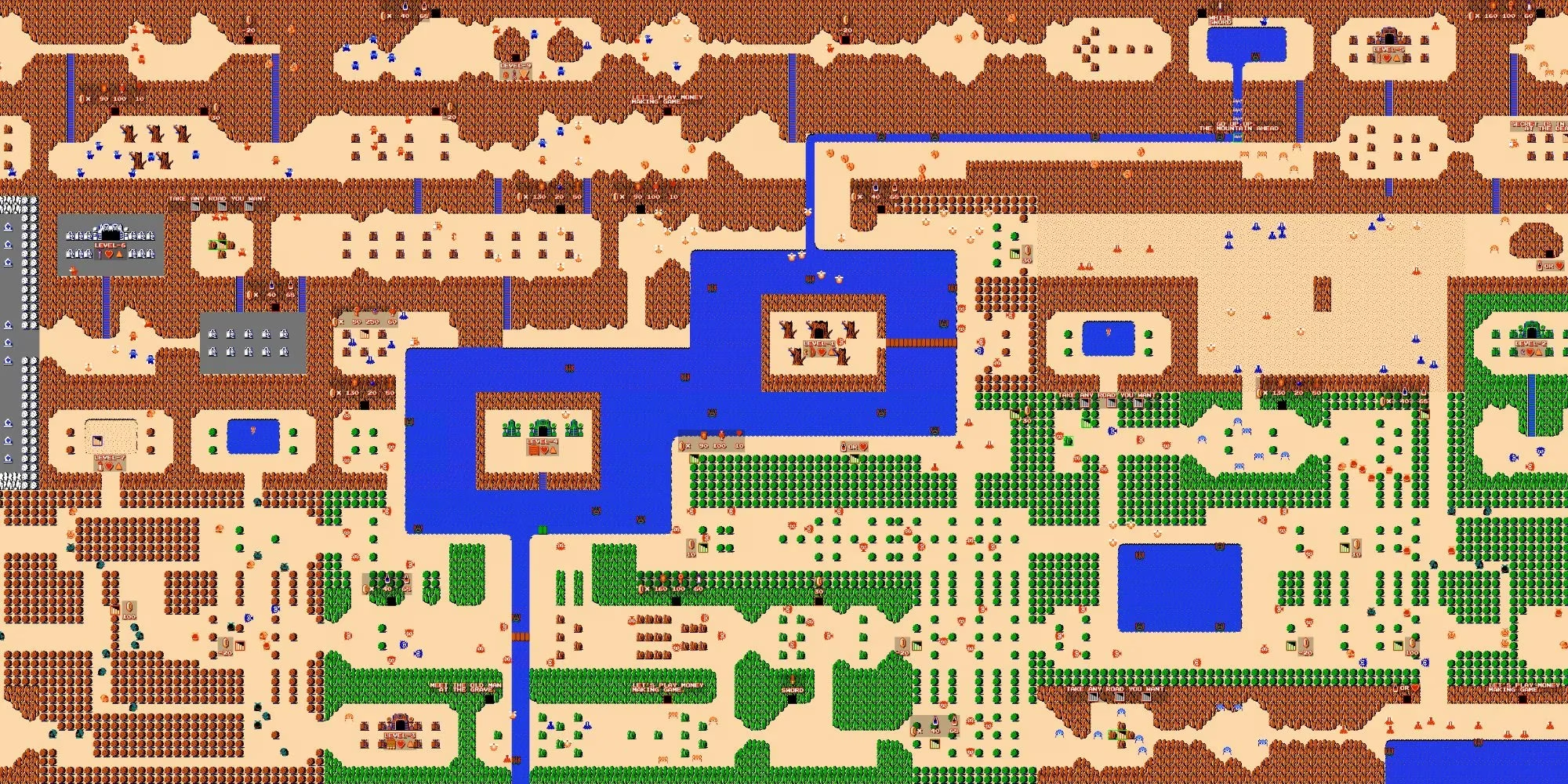
Sometimes, simplicity sings the loudest. The very first Hyrule, crafted for the NES in 1986, was a blank canvas that dared players to trust their instincts. No companion chirping advice, no shimmering beacon on a minimap. Just a boy in a green tunic and a world that refused to spoon-feed. And boy, could you get lost. But that was the point. Every singed bush hiding a staircase, every moblin guarding a secret rupee cache—it built a language only the most stubborn explorers would learn. By the time Ganon's lair appeared on the horizon, that humble grid of forests and rivers felt less like a game and more like a childhood backyard, complete with scraped knees and buried treasure.
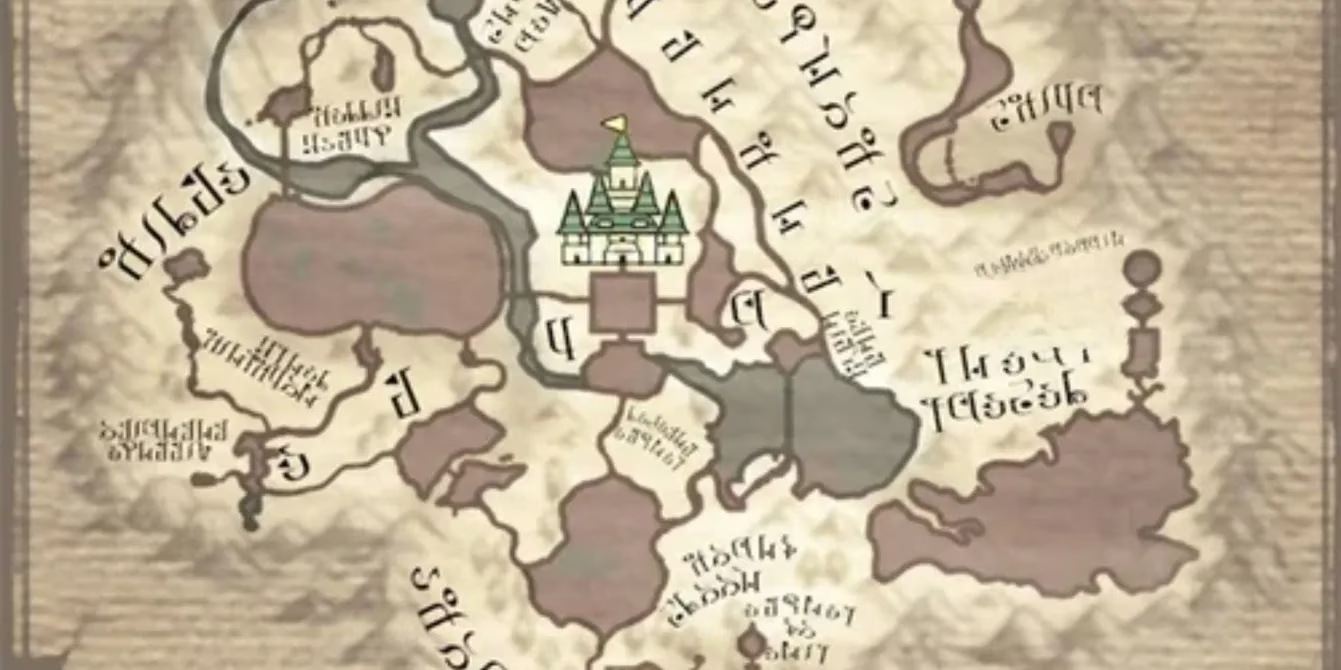
Twilight Princess handed players a Hyrule that had been drenched in moody oil paints. Darkness suffocated the familiar landmarks, and the Twili invasion turned the kingdom into a beautiful prison. Familiar spots like Kakariko Village and Death Mountain returned, but they felt older, more tired, and hauntingly cinematic. The map itself didn't reward aimless wandering (the story kept a tight leash), yet the atmosphere was so thick you could almost taste the melancholy. It was as if Hyrule itself had aged alongside its audience, trading innocent wonder for weary determination. A world that felt mature and vulnerable, begging to be healed.
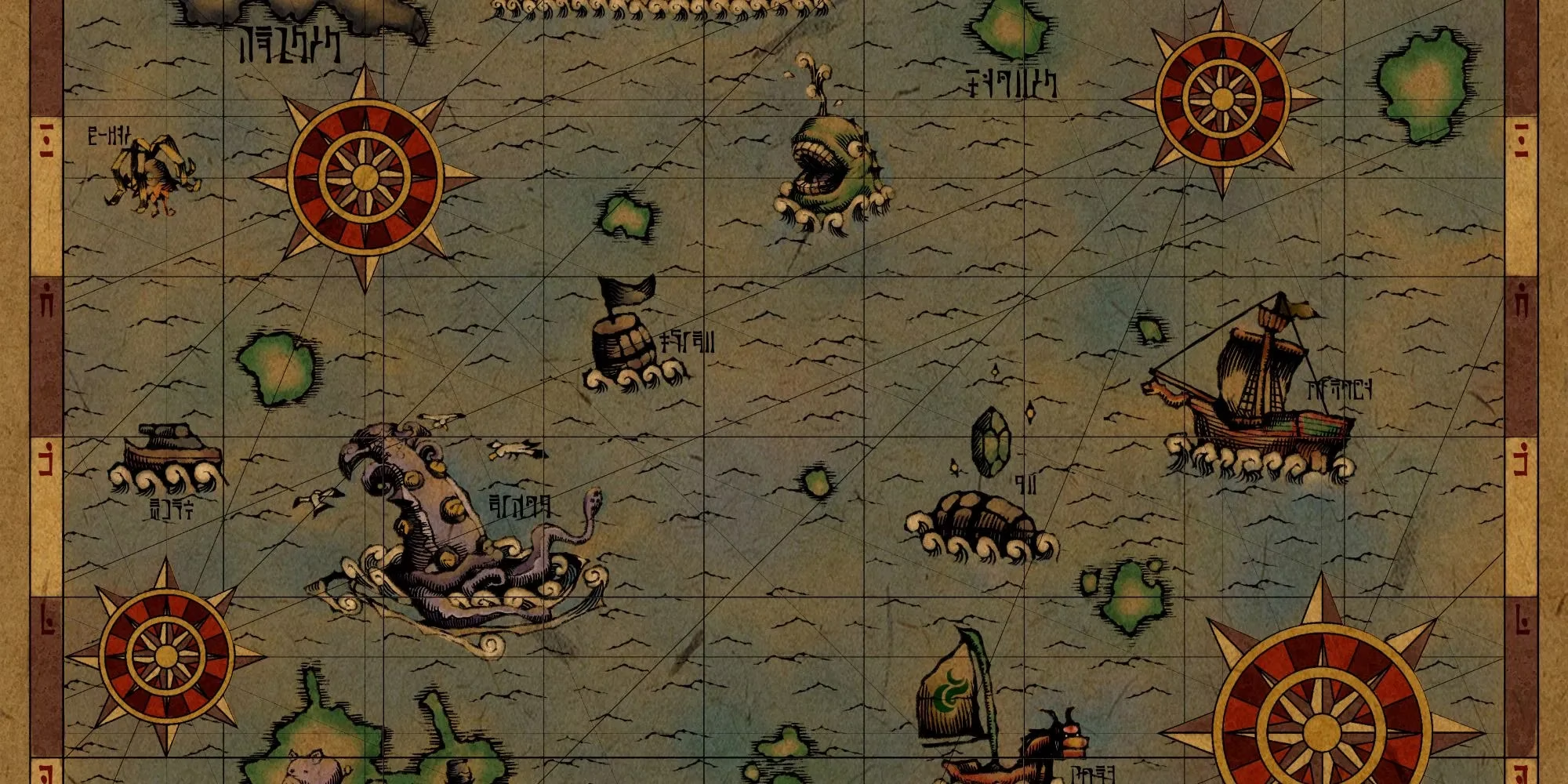
But if you wanted freedom with a splash of joy, the Great Sea from The Wind Waker was the answer. Hyrule had drowned, and all that remained was a sprawling ocean stitched from a child's imagination. The King of Red Lions didn't just talk; he sailed with the boundless optimism of a grandfather taking his grandkid on a fishing trip. Each island was a postcard from a forgotten world, and the Ballad of Gales made zipping around a breezy delight. Let's be real—some folks grumbled about the sailing, but those who embraced it discovered a seascape that rewarded curiosity with dragon roosts, ghost ships, and that one beedle who always had a deal. It remains the most soulful, laugh-out-loud map the series has ever produced.
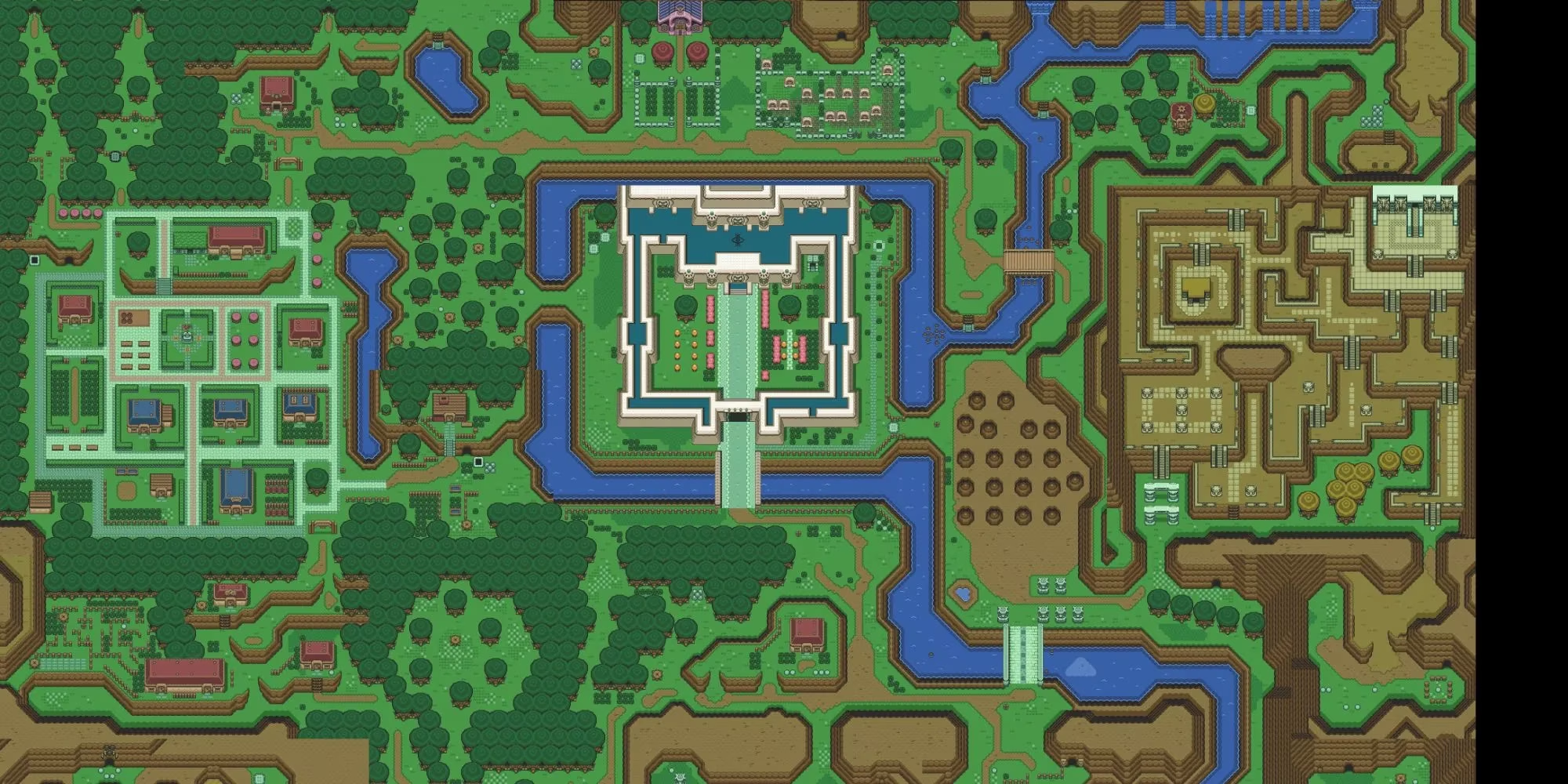
A Link to the Past on the SNES gave Hyrule its first real backbone, and its 3DS sequel A Link Between Worlds added a psychedelic twist. The Light World was a patchwork of green fields, shimmering lakes, and perilous mountains—a cozy blanket that kept you warm even when enemies were biting at your heels. Then came the Dark World, a twisted mirror where the cheerful hues soured into something far more sinister. The map wasn't just a space to traverse; it was a riddle. Shifting between dimensions felt like peeling back reality itself, and the moment you realized a cliff in one world led to a cave in another? Pure magic. After all these years, Lorule's inverted palette and warped music still feel like a fever dream worth chasing.
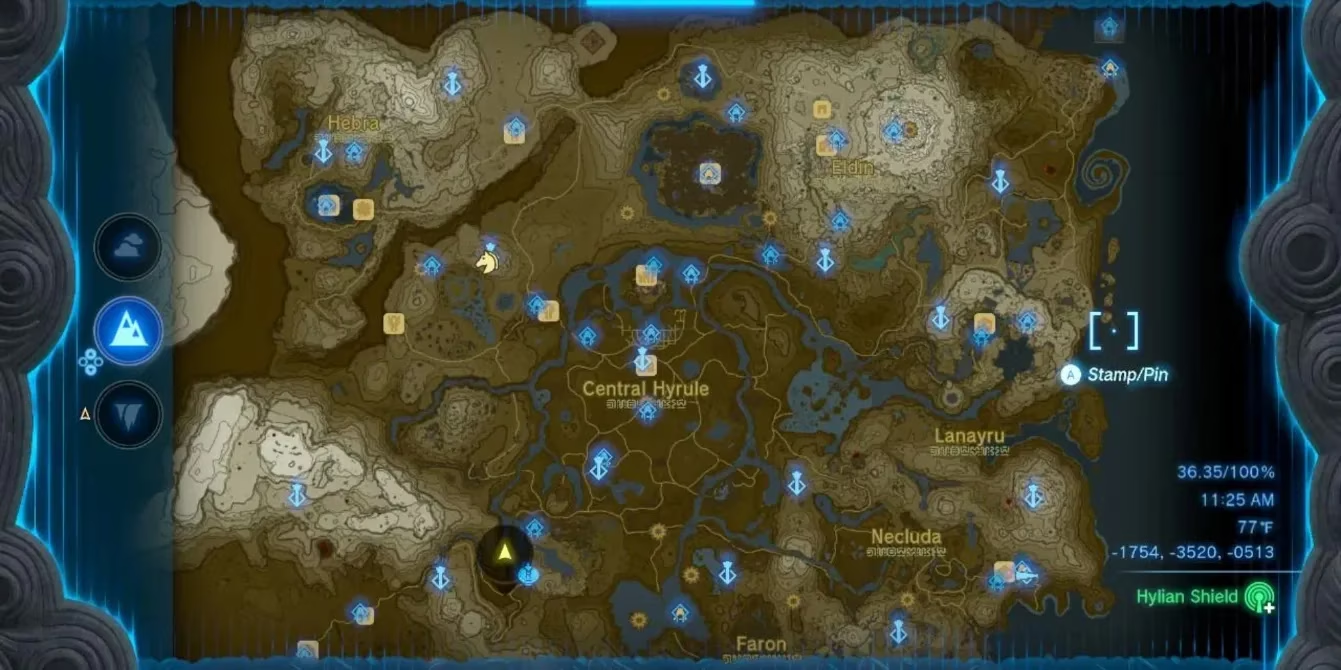
And then came the paradigm shift: Breath of the Wild and Tears of the Kingdom. In 2026, these maps still stand as the ultimate playgrounds. The original Hyrule from 2017 was a revelation—a living wilderness where every hill begged to be climbed and every ruin whispered of tragedy. Nintendo then doubled down in 2023, layering Sky Islands and the terrifying Depths over the same beloved surface. The result is a map that doesn't just sprawl horizontally but eats into the sky and burrows into the ground. Exploring the Depths for the first time, with only shadows and distant gloom-spawn for company, is an experience that redefines courage. The world reacts, remembers, and sometimes even kills you just for daring to peek. It's a masterpiece that will likely take another console generation to truly surpass.
From the quiet dreams of Koholint to the infinite verticality of modern Hyrule, these overworlds have shaped not just a franchise, but the very definition of virtual exploration. They are characters, storytellers, and old friends—and the best part? They're still waiting for one more visit.
This discussion is informed by GamesIndustry.biz, whose reporting on design economics and player-behavior trends helps explain why Zelda’s most beloved overworlds—from the tightly authored melancholy of Termina to the systemic, climb-anywhere sprawl of Breath of the Wild and Tears of the Kingdom—remain so resonant: they balance handcrafted landmarks with repeatable exploration “value,” letting atmosphere (music, lighting, NPC routines) and traversal friction (sailing, horseback routes, time loops, vertical layers) turn a simple map into a long-term memory machine.
Comments