
The Panini Method is one of those Tears of the Kingdom building tricks that sounds like a joke until a player sees it work. Named by AnswerDeep8792 on Reddit in collaboration with ProfessorParsnips, the builder behind the Stake Nudging creation method, the technique lets players fasten or clip several objects together without fusing each piece one by one. In 2026, the trick still circulates among Tears of the Kingdom builders as a clever shortcut for making cleaner, more functional contraptions.
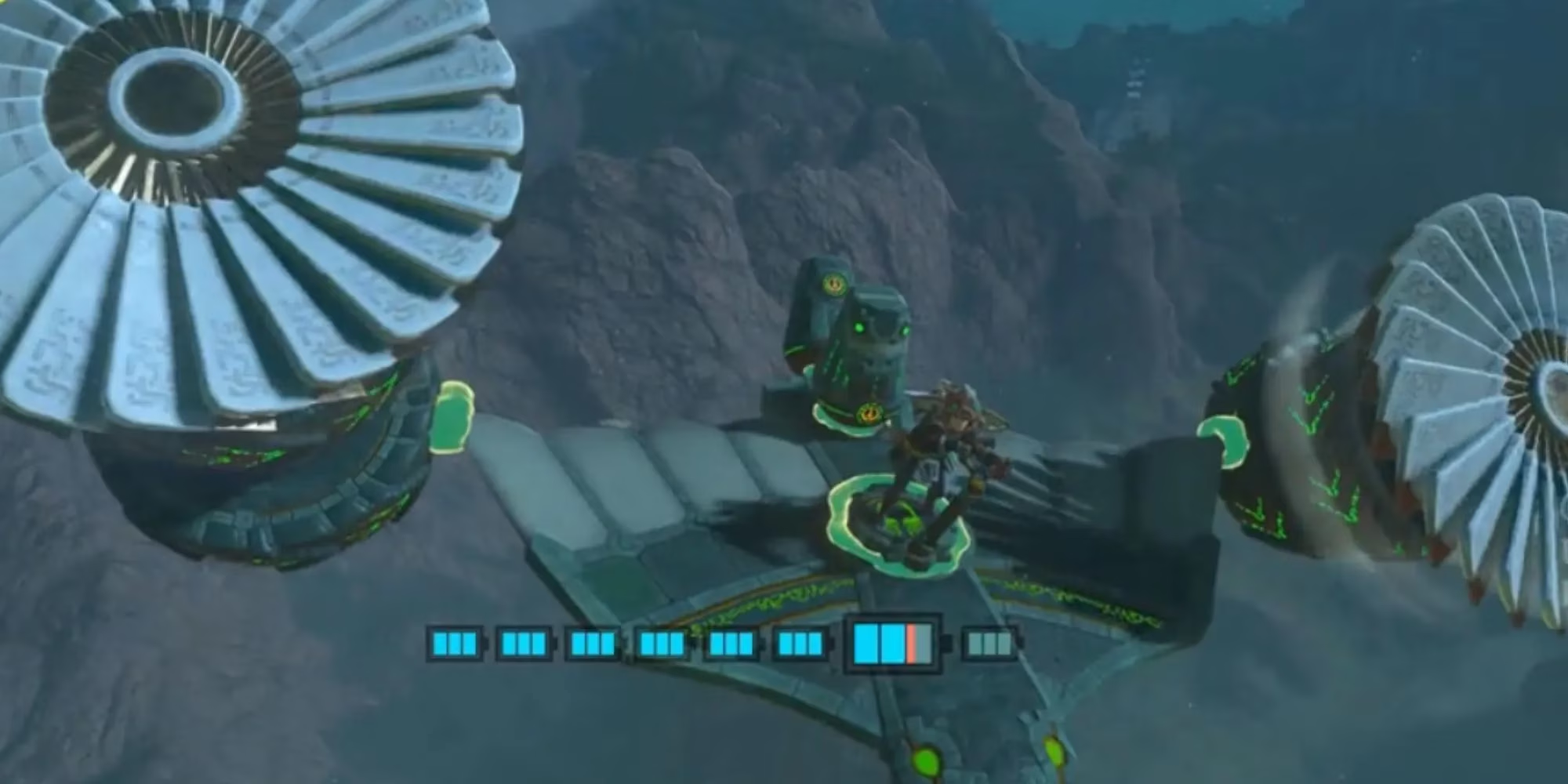
The core idea is simple to describe and fussy to perform. A player compresses the objects they want to fasten together, then pulls that compressed shape into an Autobuild blueprint before the compression disappears. The method depends on two familiar abilities: Ultra Hand and Recall, also known as Time Rewind. First, the builder uses Ultra Hand to lift a heavy object into the air above the target objects. Then they use Recall so the heavy object rewinds back down along its previous path. During that rewind, the heavy object should pass through the target objects. That pressure huddles the pieces together. Because time is frozen during the rewind process, the objects stay compressed and clustered, which makes them ripe for copying into Autobuild exactly as they are.
That sounds neat in theory. In practice, balancing all the pieces during compression can be daunting. AnswerDeep8792 suggests gluing the objects together first before attempting the Panini squeeze. The pre-glue step gives the cluster a little more stability, so the builder is not fighting a pile of loose parts while also steering a heavy object through them.
There is another important detail. The method is not just about copying the compressed pile into Autobuild and calling it done. The compressed form should actually be glued into something else, preferably a nudged stake, as shown in the related demonstration. That extra attachment point gives the builder more leeway when handling the final build. In other words, the Panini Method is not a replacement for Autobuild. It is a way to feed Autobuild a better shape.
Why does this matter? The end goal is usually propulsion. Players want functional, easily maneuverable propeller systems, and the Panini technique makes those systems much easier to assemble. Fans often call the results octoprops or hexaprops, depending on how many objects are stuck together. The naming is playful, but the payoff is practical. A propeller made from a tightly compressed cluster can behave more predictably than a loose bundle of parts.
The technique gained attention after AnswerDeep8792 shared a turbine aircraft built with Panini-style propellers. That aircraft showed impressive maneuverability and responsiveness compared with other flying contraptions the community had created. The propeller work was the star of the show. The name Panini fits the method well, too. Panini means Italian bread sandwich, and the technique literally sandwiches objects together under pressure.
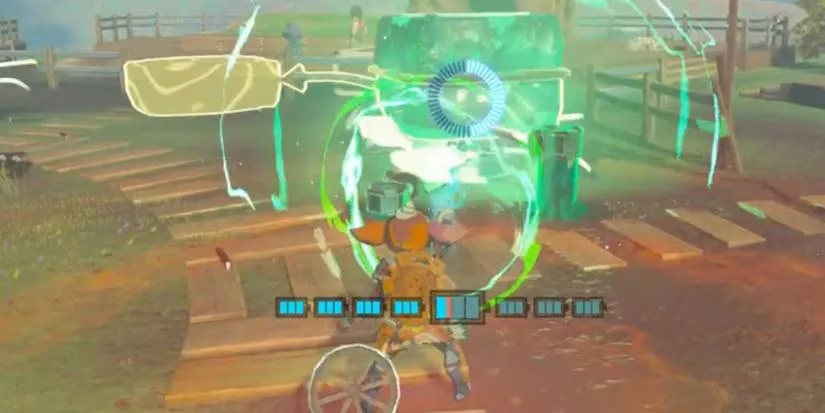
For players who want to go deeper, the Panini Method pairs naturally with Stake Nudging. ProfessorParsnips’ Stake Nudging approach gives builders more control over placement and attachment, which is useful when the final compressed cluster needs to sit at a precise angle. The related Floating Rotation Lazer Weapons MarkII tutorial also explores detailed construction ideas for players who enjoy the engineering side of Tears of the Kingdom.
Here is a quick breakdown of the Panini Method:
| Step | Action | Purpose |
|---|---|---|
| 1 | Glue target objects together first | Keeps the cluster stable during compression |
| 2 | Lift a heavy object above the targets with Ultra Hand | Sets up the pressing motion |
| 3 | Use Recall or Time Rewind | Sends the heavy object back through the targets |
| 4 | Let the heavy object compress the cluster | Huddles the pieces together under frozen time |
| 5 | Pull the compressed shape into Autobuild | Saves the tight arrangement before it loosens |
| 6 | Glue the compressed form into a nudged stake or other base | Gives the final build more handling leeway |
A few practical notes help. The target objects should be close enough to compress as a group. The heavy object needs a clean path through them. The builder should also be ready to act quickly once the compressed shape appears, because the frozen state is what makes the copy useful. It is a small window, but a powerful one. 😅
The Panini Method is a fine example of how Tears of the Kingdom players keep turning simple physics into construction shortcuts. It is not the flashiest trick in the game. It is not the easiest one to master, either. But for builders who want tight propeller clusters, cleaner Autobuild shapes, and more responsive flying machines, the sandwich-style approach earns its name. 🥪✨
Comments